Part 1 - From Realism to Abstraction
You asked. I listened. This is Part One of a Six Part blog post series all about Abstraction. How you move towards it, and what your blocks maybe.
In this first episode we discuss the six challenges that almost every artist faces when moving toward a more abstract voice — and how to start working through them.
A few months ago, I sent a question out to my online community. I asked where your biggest struggles were when it came to abstraction — whether you were already working in an expressive language and wanted to go further, or whether abstract art felt like a dream just slightly out of reach. The response was extraordinary.
Artists at every level, in every medium, experienced grappling with the same quiet fears. The fear of letting go. The inner critic. The sketchbook full of life and the studio painting that somehow loses it all.
These 6 blog posts tackle each common challenge head-on with practical, playful ideas to help you move forward.
Here are the top six challenges when working toward abstraction.
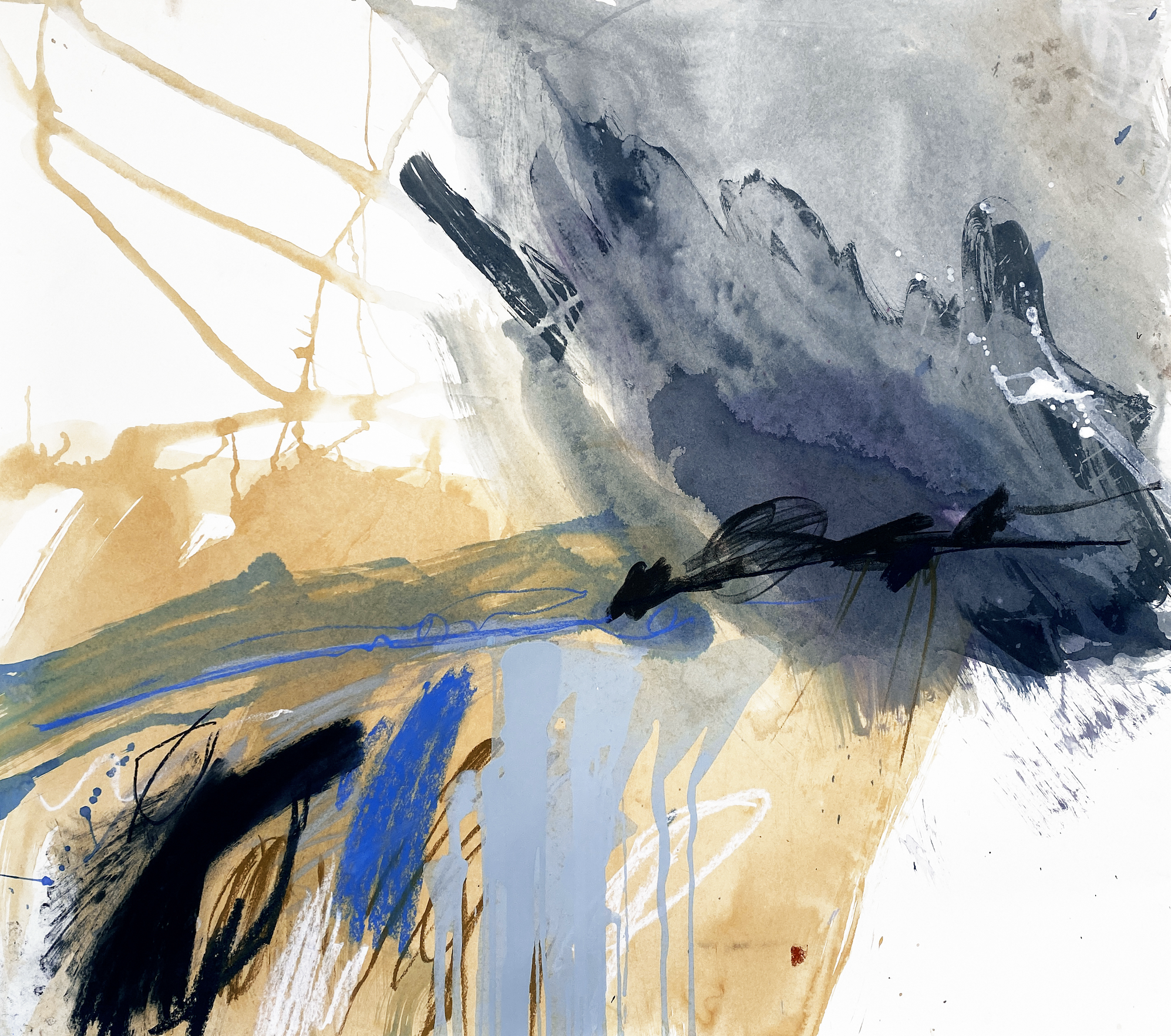
Watch Croft - Cornwall
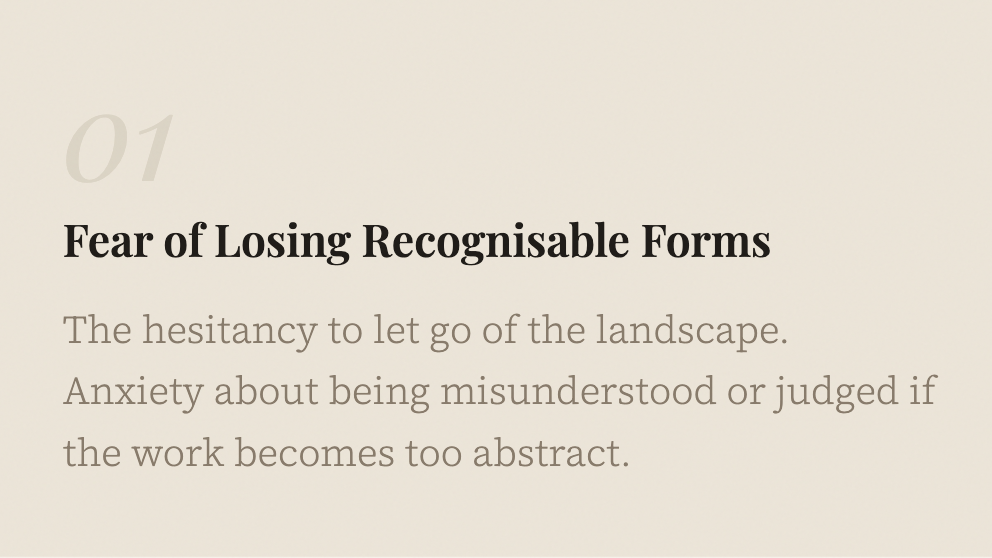
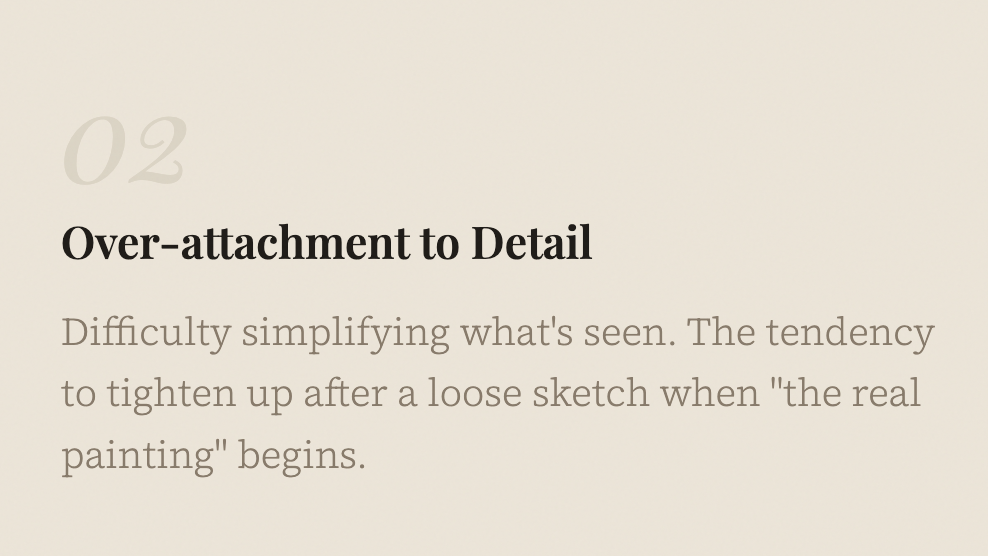
These aren't small niggles — these are hard mindsets to untangle. Especially for those of us who came through a more representational training, or who have spent years being praised for accuracy and detail. Loosening that grip takes time, practice, and a lot of compassion toward yourself.
If you are a perfectionist in your art — and many of us are — then the unknown territory of abstraction will feel particularly exposing. But that exposure? That's exactly where the most interesting work lives.
You are not removing meaning when you begin to abstract what you see. You are distilling it. Abstraction is a form of truth-telling that uses feeling and suggestion — not fixed forms.
Embracing Insecurity
Let's start here, because it's perhaps the most fundamental. Our brains are wired to seek patterns, faces, familiar shapes — it's a survival mechanism as old as we are. Recognisable forms feel safe because they tell us "this makes sense." They give us footholds.
Abstraction, by contrast, asks us to step off the known path. To suggest rather than state. To let a mood carry the work instead of a mapped horizon line. And that can feel genuinely destabilising — especially when you care deeply about your art and the landscapes that inspire it.
Working toward a more abstract language often brings feelings of insecurity and vulnerability. There's a real fear that others won't understand the work, or won't connect with it, or — and this one runs deep — that they won't see you in it anymore.
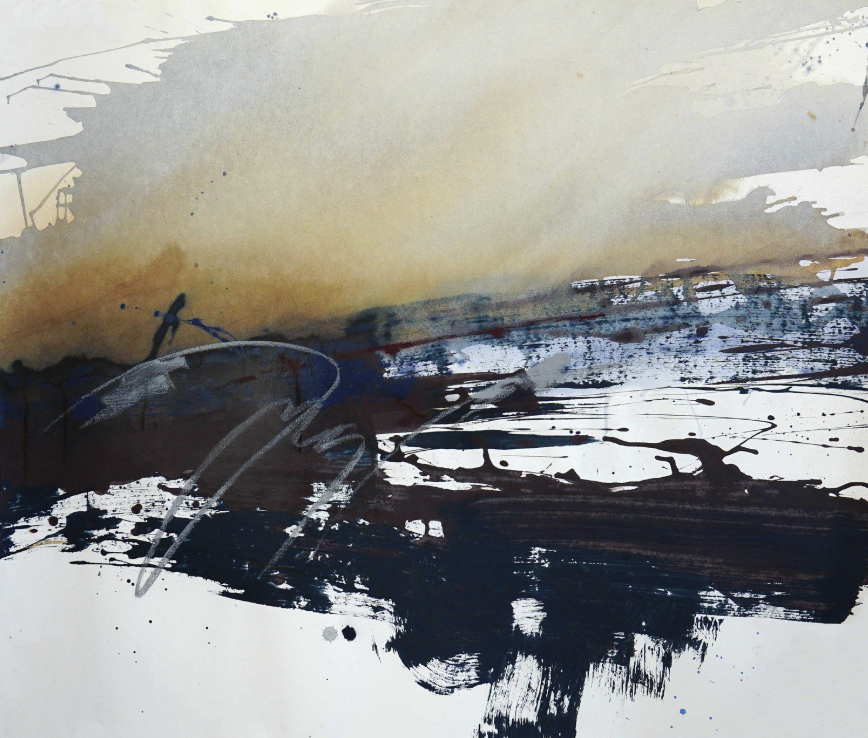
Sunset Over Cadair Idris
The questions underneath the fear
Will others still see me in this work?
Will they like it? Will they understand it?
Am I just making a mess and calling it art?
Have I lost the skill I worked so hard to build?
These questions are real, and they deserve to be taken seriously — not dismissed. But here's what I want you to sit with: every abstract painter you admire went through exactly this. The vulnerability you feel is not a sign you're doing it wrong. It's a sign you're doing something that genuinely matters to you.
What to hold onto:
You are not removing meaning when you begin to abstract the landscape. You are distilling it — stripping back to what you actually felt, what the light actually did to you, what the place stirred in your body. Abstraction is a form of truth-telling. It just speaks in feeling and suggestion rather than fixed, recognisable form. That's not less. That's often more.
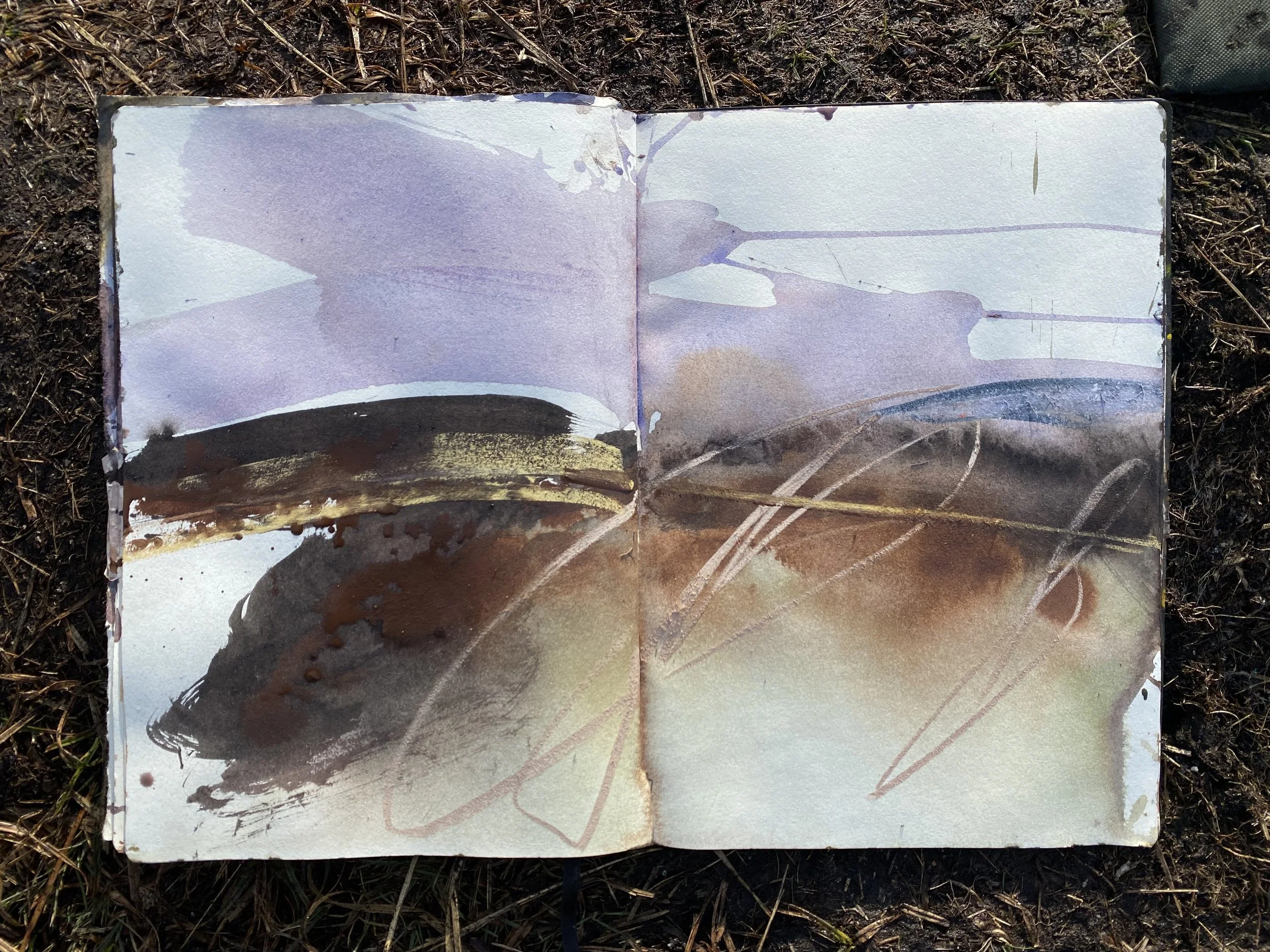
An activity to try this week:
PRACTICAL ACTIVITY
Realistic Form to Expressive — A Three-Study Journey
Find a real location or a landscape photograph you love. Working in any medium, create three studies of the same view — but each one taken a step further from the literal.
Representational — paint what it looks like, as faithfully as you can. Get comfortable with the scene.
Emotional marks — make each mark with feeling. Is this place dark and heavy? Light and quick? Quiet or restless? Let the marks carry the mood, not just the shapes.
Into symbols — simplify so far that you're almost painting in shorthand. Elementary shapes. Colour alone. Texture as the only language. Let the landscape dissolve into essence.
Then compare all three and journal a simple question: Which version feels most like the truth of this place to me? You might be surprised by your answer.
I hope these ideas give you something real to play with — not just think about, but actually get your hands into. The blocks around abstraction are some of the most common I see, and also some of the most rewarding to work through.
Be patient with yourself. Be curious rather than critical. And remember: the mess is where the discovery is.
Love Sam x